




One of the first things to bear in mind with search in general is that it’s ever evolving and we’ve seen search engines adapt to align with the way that people search online. Previously, desktop was very much a firm focus for Google but as smartphones emerged, we saw the search engine shift to prioritise mobile experiences in the form of mobile first indexing, or rewarding websites that provided a good mobile experience.

As a small or mid-size business, you want your website to hold its own against the competition. That’s why you invested your time into launching an organic (AKA unpaid) search campaign. Ultimately, you want this campaign to result in an uptick in conversions (leads) for your website. Unfortunately, you’re having trouble trying to figure out if your organic search campaign is successful.

White hat SEO is the practice of optimising a website for search engines with the intention of improving its rankings and, ultimately, driving more SEO traffic to the site. These measures may include improving site content, structure, and design, as well as developing a more effective link building strategy – all of which are essential to SEO.

SEO content writing can help create a strong online presence for businesses. It can help them reach new customers and markets, and to build relationships with existing customers. High-quality SEO content can also help businesses improve their search engine rankings and make their websites more visible to potential customers.

When improving site performance, a technical website SEO audit is an essential starting point. Web admins can get bogged down in optimising individual website SEO pages, but if the website as a whole is not technically sound, those efforts will be for nought.
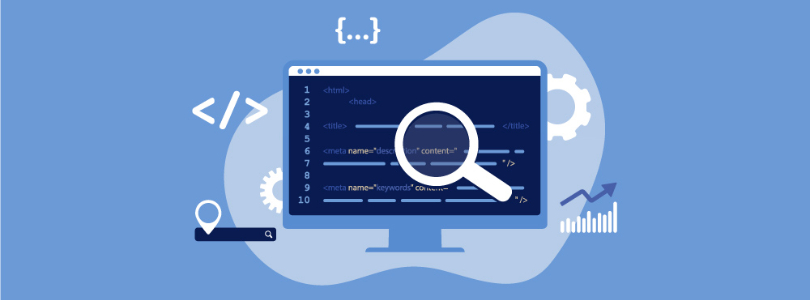
When it comes to formulating an effective SEO strategy for your website, one of the most important elements to consider is structured data. This is the code that helps search engines understand the SEO content on your website and how to index it.

Website migration SEO sometimes involves changing a site’s hosting provider to a different one located elsewhere. But according to Google, doing so can have a big impact on website SEO rankings. This issue was covered in the most recent video instalment of the Ask Googlebot YouTube series.

There have recently been numerous discussions within the SEO community about crawling and indexing in SEO, particularly about a decline in Googlebot’s crawling activity over the previous weeks. This led some SEO experts to speculate on the real cause of this phenomenon.

The SEO community has been waiting for SEO news and updates on the page experience update for desktop search results. Google finally confirmed that they have finished rolling the update, and it is now time to assess its impact on SEO for websites.The update was released for desktop on 22 February, with a nine-day rollout that ended on 3 March.

Google recently discussed how to improve website SEO rankings by making more concise recipe pages. This was confirmed by John Mueller, a Google Search Advocate, during the Google Search Central SEO office-hours hangout on 4 March. During the livestream, Mueller responded to a question from a food blogger about how creating several pieces of content on a single recipe impacts website SEO.